Категории
Смотреть все >
-
 Промышленная электротехника и автоматизация
-
Приборы, измерители и датчики
-
Оборудование и приводные системы
-
Метизы, инструменты и крепеж
-
Промышленные химикаты и добавки
-
СИЗ и упаковочные материалы
-
Энергетика и промышленные запчасти
-
Прочие промышленные товары
-
Computer & Accessories
-
Sports & outdoor
-
Toy


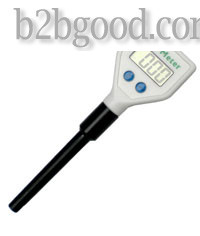
Топ продаж
-
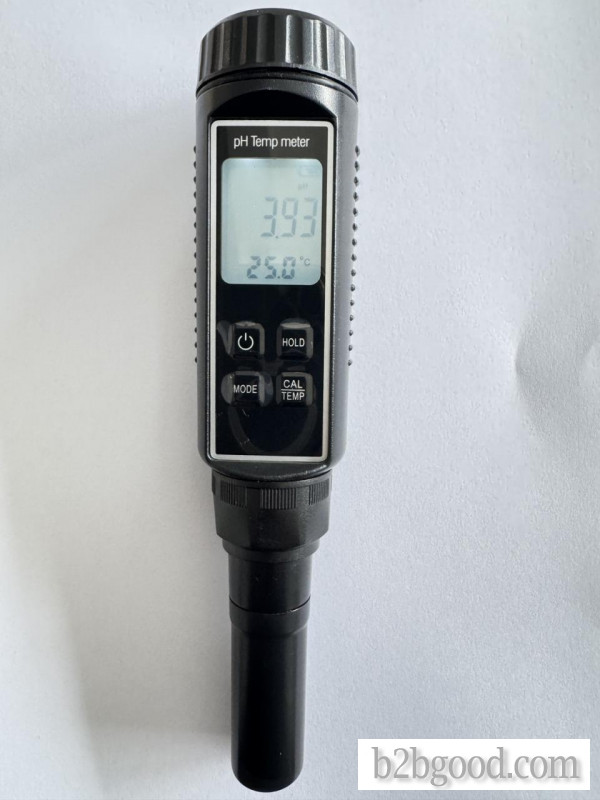
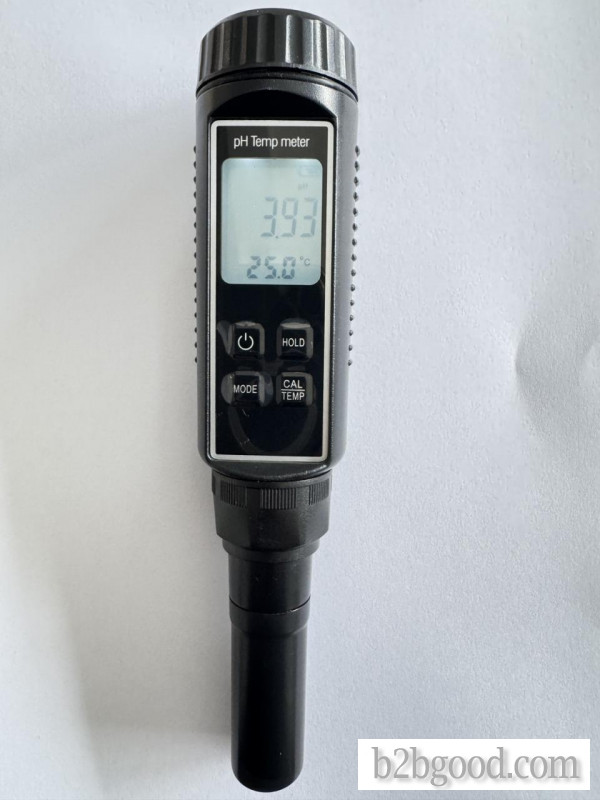
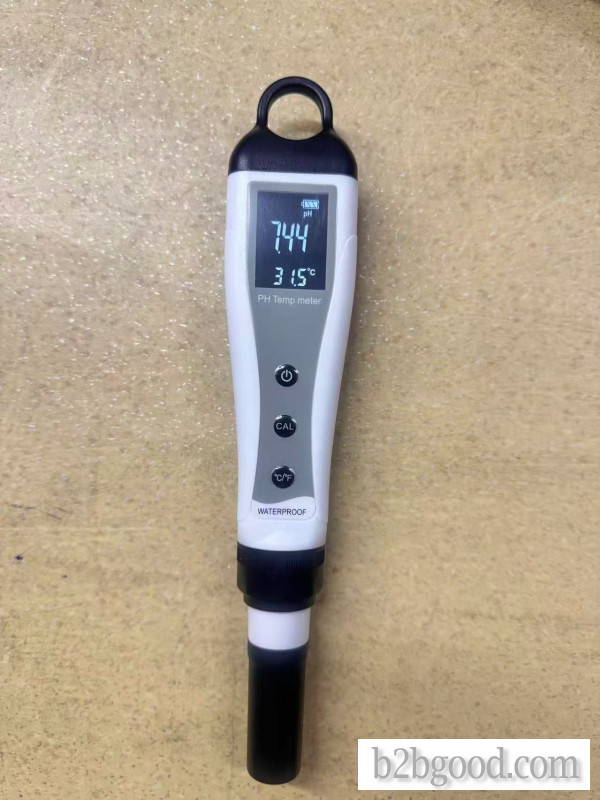
PH-991 在线PH/温度监测仪
$0.00
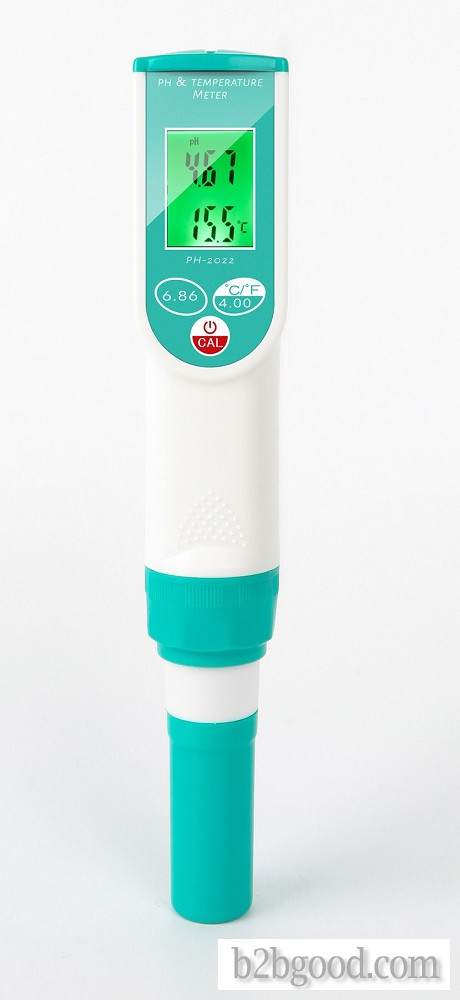
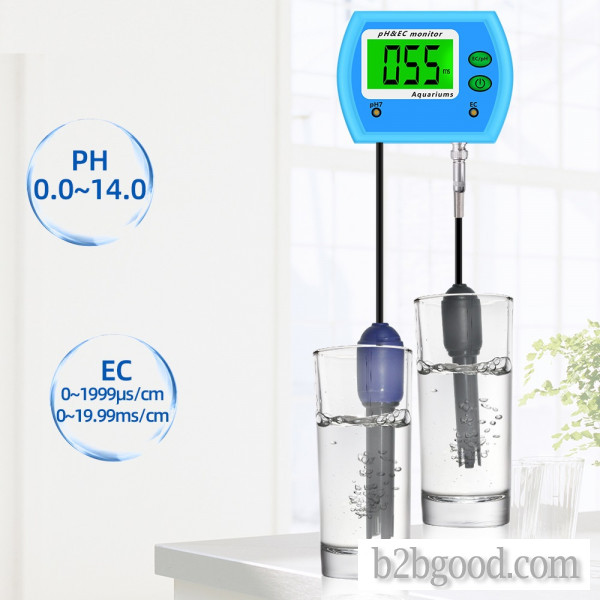
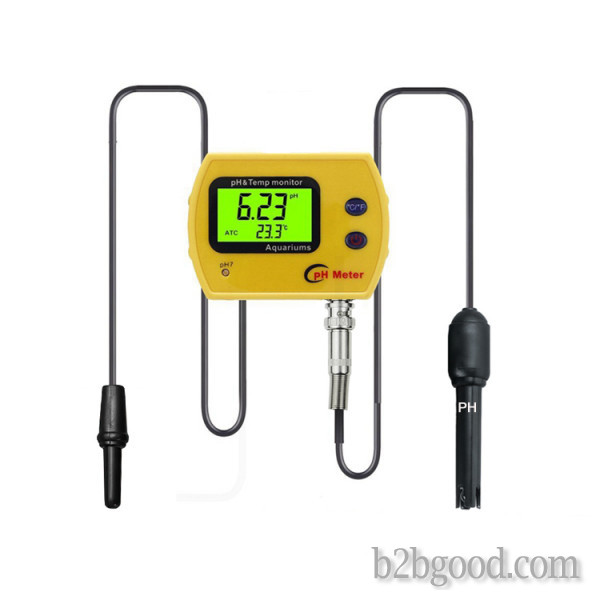
TDS计 — это аббревиатура от английского 'TotalDissolvedSolid', что означает общее количество растворенных твердых веществ, под которым понимается общее количество неорганических солей и органических веществ, растворенных в воде. Основными компонентами являются ионы кальция, магния, натрия, калия, а также карбонат-ионы, гидрокарбонат-ионы, хлорид-ионы, сульфат-ионы и нитрат-ионы. Таким образом, TDS计 — это измеритель общего количества растворенных твердых веществ. Единицей измерения TDS计 является ppm (то есть мг/л), а его значение определяется как определенное соотношение электропроводности, обычно около 0,7. Базовая температура автоматической температурной компенсации TDS计 обычно составляет 25°C, а температурный коэффициент обычно составляет 2%/°C.
Большой дисплей, оснащен удлиненным электродом с резьбовым соединением, подходит для прямых измерений в сосудах малого диаметра. Показания можно фиксировать, удобно, быстро и точно.
Большой дисплей, оснащен удлиненным электродом с резьбовым соединением, подходит для прямых измерений в сосудах малого диаметра. Показания можно фиксировать, удобно, быстро и точно.
Отзывов об этом товаре пока нет.
Похожие товары

$0.00
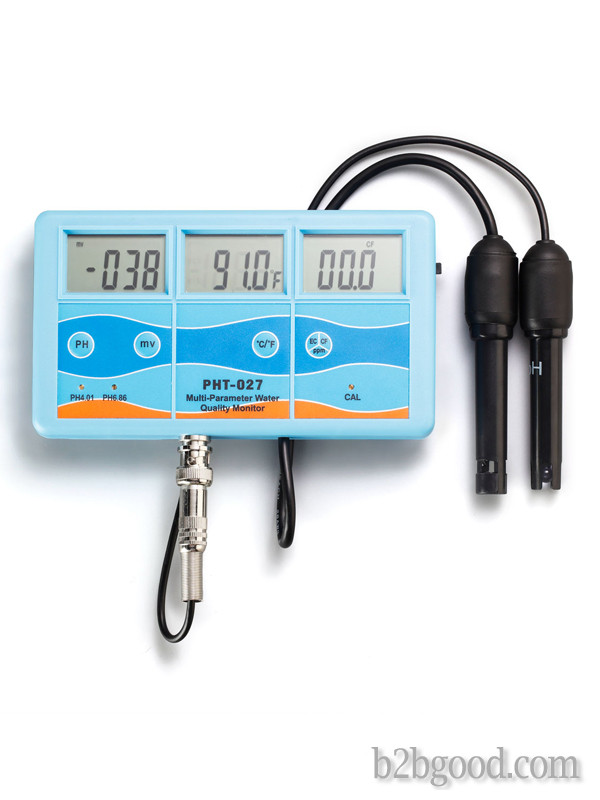
KL-025M 数码显示在线PH监测仪
$0.00
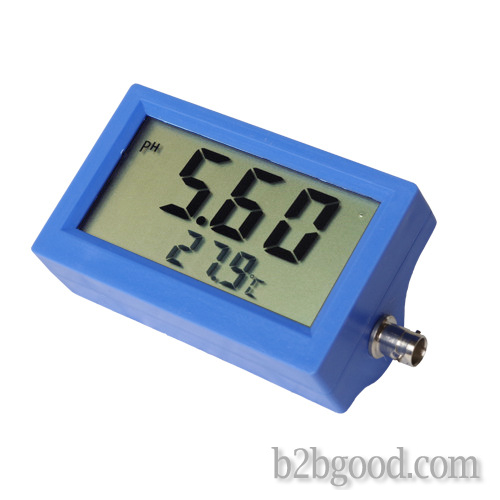
KL-055 在线PH和温度监测仪
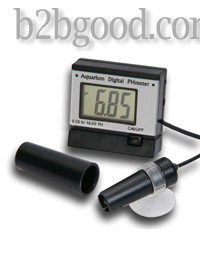
$0.00
KL-025 迷你式在线PH监测仪
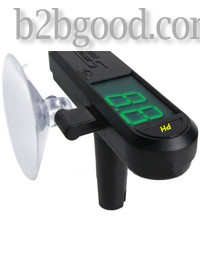
$0.00
PH-025W+PH
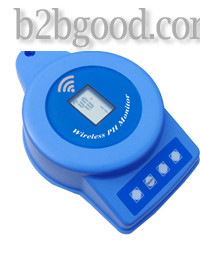
$0.00
KL-029 多点无线远程数显酸度计

Поддержка на территории, получение на пороге.
Контактная информация
- Адрес: Санкт-Петербург, 3-я линия В.О., 24
- Телефон: +7 812 509 12 45 (Пн–Пт: 8:00–20:00)
- Эл. почта: sales@longwang.ru