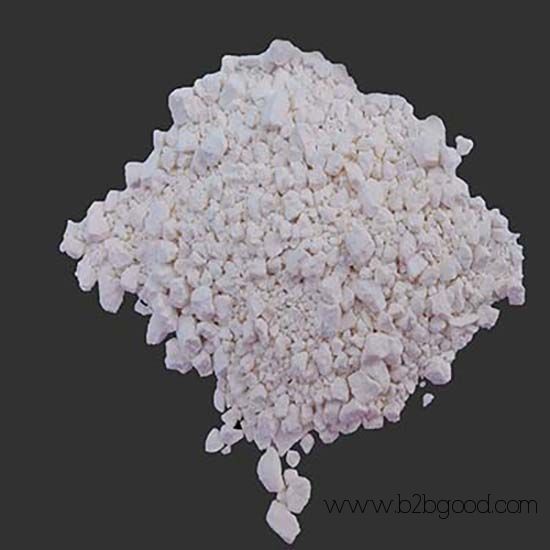
Polyphenylene Ether used for injection molding
syntop chemical co ltd
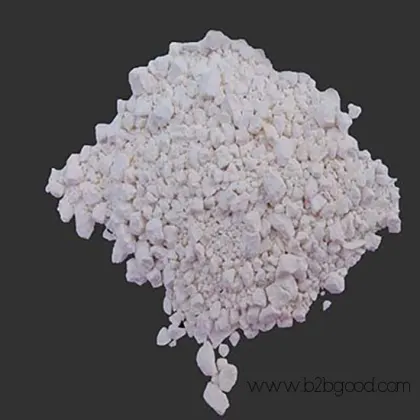
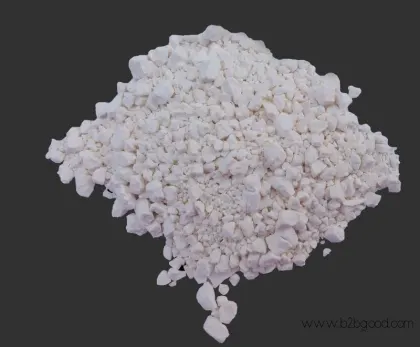
Polyphenylene ether (PPE) can be used in injection molding, and this is one of its primary processing methods. However, in actual production, pure PPE has high melt viscosity, poor flow properties, and a narrow processing window. Most PPE products available on the market for injection molding are modified products (MPPO), such as blends with high-impact polystyrene (HIPS) or nylon (PA), to improve processing performance.
Typical Injection Molding Applications
Electronics and Electrical Equipment: Connectors, relay switches, coil forms, photovoltaic junction boxes, printed circuit board brackets, etc.
Automotive Industry: Dashboard frames, high-voltage connectors, battery pack components, fuse boxes, etc.
Home Appliances/Office Equipment: Washing machine and dishwasher components, TV housings, printer bases, etc.
Machinery/Medical: Gears, pump impellers, valves, as well as surgical instrument handles and sterilization trays requiring repeated steam sterilization.
Related products

Contact Info
- Address: Dezhou city,Shandong,China
- Phone: +86-15166945837
- Email: dzheibei@sohu.com