-
 Промышленная электротехника и автоматизация
-
Приборы, измерители и датчики
-
Оборудование и приводные системы
-
Метизы, инструменты и крепеж
-
Промышленные химикаты и добавки
-
СИЗ и упаковочные материалы
-
Энергетика и промышленные запчасти
-
Прочие промышленные товары
-
Computer & Accessories
-
Sports & outdoor
-
Toy


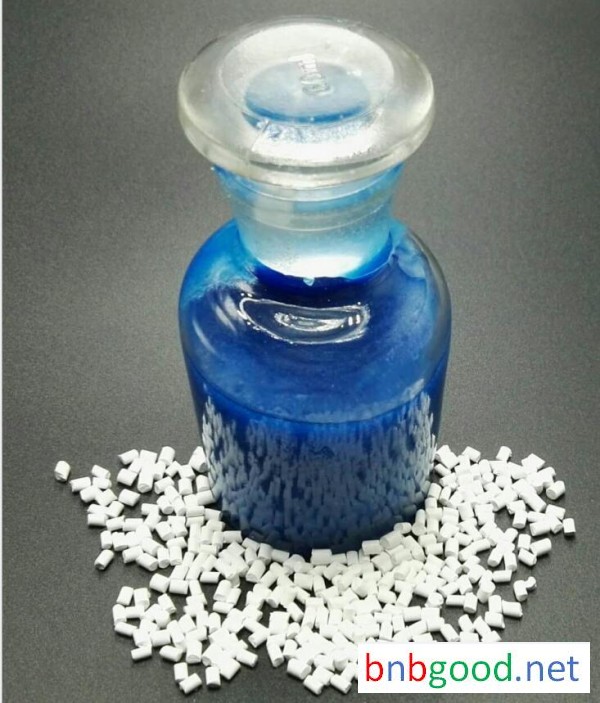
Белый магнозный супердисперсиент R1800-SK
ATAMAN INDUSTRIAL LIMITED
-
Масляный матовый порошок
$0.00
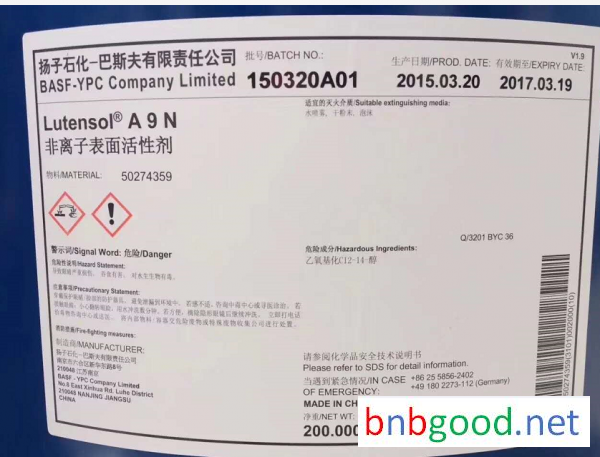

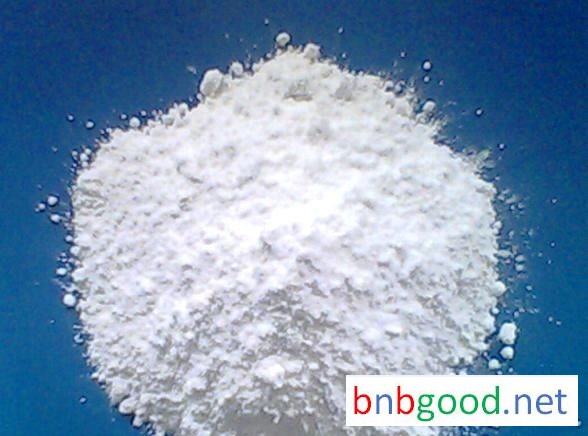
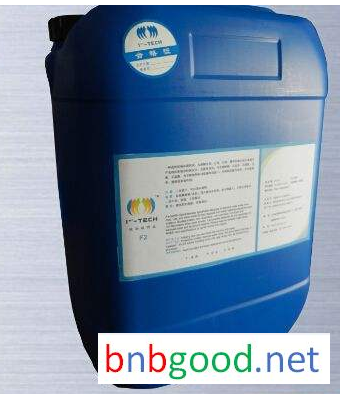
Специальный диспергатор для белых гранул R1800 - SK, технический анализ
Основные ингредиенты R1800 - SK: полимеры полиолефинового эфира, цвета: голубая паста, pH: 70 °C 6,8 - 7, цветовая фаза с изменением температуры, глубина, использование в продуктах без цвета, совместимость со всеми резинами, пластиком, смазочные свойства в 26 раз выше, чем парафин, дисперсные свойства в 113 раз выше, чем парафин.
Диспергатор R1800 - SK при температуре 33 градуса
Для поверхностной обработки титанового порошка с помощью сверхдисперсного агента R1800 - SK была найдена оптимальная технология обработки поверхностей распылителя R1800 - SK, а также соответствующие технологические условия обработки поверхности (pH = 6,8, 70 °C, R1800 - SK - 0,5%) (если на предприятии по производству титанового белого порошка рекомендуется разбавление спиртовыми растворителями, то цель заключается в повышении качества продукции. Более равномерное распределение в порошке). Обработка титанового порошка в этих условиях для подготовки белых материнских частиц, используемых в пластмассовых изделиях для дисперсности титанового белого порошка, белого цвета, света поверхности, маскировки, обработки значительно повысить производительность.
Титановые белила широко используются в качестве неорганических пигментов в цветных материнских гранулах. Однако в процессе использования более тонкие частицы краски легко объединить, крупные частицы, влияющие на качество продукции, и поэтому не могут непосредственно использовать, необходимо провести децентрализацию. Процесс дисперсии краски можно разделить на три части: увлажнение, измельчение (дисперсия) после стабилизации (оболочки). Обработка поверхности пигмента представляет собой процесс измельчения и стабилизации краски, отложение мономолекулярного или полимолекулярного вещества на поверхности частиц краски, включая поверхностно-активные вещества, модификаторы, деривативы самой краски и так далее.
Для поверхностной обработки титанового порошка с помощью сверхдисперсионного агента R1800 - SK, что значительно повышает дисперсные свойства титанового белого порошка, было выявлено оптимальное использование и оптимальные технологические условия (температура) для поверхностной обработки титанового порошка с помощью сверхдисперсного агента.
Теоретический анализ
Молекулярная структура сверхдисперсного агента R1800 - SK состоит главным образом из двух частей, часть которых состоит из анкерованных радикалов - COOH, которые плотно адсорбируются поверхностью краски через ионы, водородные связи и вандерваальсовы силы и предотвращают анализ сверхдисперсного агента R1800 - SK. Другая часть представляет собой цепочку растворения (дисперсия), которая непосредственно определяет стабильность краски после дисперсии в растворителе (при температуре ниже 70 °C покрытие не растворится, при температуре выше 70 °C начинает растворяться в ионных диэлектриках, чтобы повысить совместимость титанового белого порошка с смолой). Для этого необходимо, чтобы цепочка сольватации имела более высокую сродство к диспергантам, с тем чтобы обеспечить хорошую растворимость, R1800 - SK сверхдисперсионный агент на поверхности частиц краски образует слой оболочки определенной толщины, а цепочка сольватации более растянута в диспергирующем веществе. Когда частицы краски, адсорбирующие супер-диспергатор R1800 - SK, сближаются друг с другом, частицы выделяют друг друга из-за отчуждения адсорбционного слоя и таким образом достигают стабильной дисперсии частиц краски в средах.
В плазме TiO2 концентрация заряда на поверхности частиц легко сочетается с анкерованными субстратами R1800 - SK (COOH), которые образуют прочный защитный слой на поверхности частиц титанового белого цвета и обеспечивают стабильность дисперсного эффекта титанового белого порошка в виде пространственного барьера в цепи растворителя R1800 - SK (углеводородная цепь).
Экспериментальная часть
1. Экспериментальное сырье
R1800 - SK
R298 титановый порошок
LLDPE218W
2. Основные инструменты и оборудование
15L высокой смеситель 35 одновинтовой гранулятор 30 экструзии выдувной мембраны фотоэлектрический спектрофотометр крутящего момента
3. Экспериментальный метод
Сначала титановый белый порошок и R1800 - SK сверхдиспергатор добавляются в высокоскоростную мешалку для перемешивания при температуре около 100 °C и добавляются LLDPE218W, после равномерного перемешивания материала, добавляются в гранулятор для приготовления зерна.
Экспериментальная формула: титановый белый порошок R298 69.5g, R1800 - SK 0.5g LLDPE218W 30g
Технологический процесс: материал смолы = краска = быстрое перемешивание = грануляция = экструзионная мембрана = прикрытие = белый = сверхдисперсный агент
4. Тест производительности
1) Испытание на герметичность мембраны
Под прикрытием понимается способность покрывать краску краской, окрашиваемой в грунт. Крупнозернистость, изготовленная из титанового белого порошка, предварительно обработанного сверхдиспергирующим агентом, а затем выдувная пленка, измеренная по коэффициенту пропускания пленки, пересчитана в стандартное значение плотности света (0,02 мм) для толщины пленки (далее именуемое значение светонепроницаемости). Чем больше значение светонепроницаемости, тем выше сила прикрытия.
2) Проба на окрашивание
Сила окрашивания - способность красить краску. Титаново-белый порошок в пластике окрашивание может быть использовано в качестве белизны, чем больше белый, тем выше красящая сила титанового порошка. Изготовленные из различных предварительно обработанных пигментов, изготовленные из белых материнских гранул, затем образец для измерения их белого цвета (в зависимости от того, что находится в темпераменте TW), яркости (L) и желтости (YI).
3) Испытание на децентрализацию
Дисперсионная способность пигмента в окрашенной среде. Дисперсионные симптомы, качественные методы варьируются в зависимости от микроскопа или электронного микроскопа для наблюдения, фотографирования и количественной оценки распределения частиц.
4) Испытание на производительность
Обработка переменных свойств является одним из важных показателей применения титанового белила в пластмассах. Для оценки качества обработки титанового белого порошка можно использовать метод изменения крутящего момента.
Выводы и обсуждение
1) Прикрытие
Защита является важным показателем эффективности белых материнских гранул. Разброс краски является основным фактором, влияющим на затенение. Краски рассеиваются более равномерно, частицы меньше, плотность света больше, а наоборот меньше.
На диаграмме ниже показана кривая светонепроницаемости пленки для сверхдисперсного состава, на которой содержание дисперсного агента изменяется на 0,3 - 2% для поверхностной обработки краски.
Как видно из приведенной выше диаграммы, с увеличением использования сверхдисперсионного агента R1800 - SK показатель светонепроницаемости постепенно повышается и достигает максимального значения, а затем резко снижается по мере дальнейшего увеличения потребления. При использовании сверхдиспергирующего агента 1,6% максимальное значение светонепроницаемости пленки составляет 0386.
Использование сверхдисперсного агента R1800 - SK связано с размером поверхности краски. Начиная с увеличения содержания сверхдиспергирующего агента R1800 - SK, все больше анкерных групп, адсорбирующих краски на поверхности, достигают насыщения до 1,6% при максимальном значении светонепроницаемости. С дальнейшим увеличением использования сверхдиспергирующего агента R1800 - SK, из-за взаимодействия между распылителями R1800 - SK и ldquo;
2) Окрашивание
Окрашивание краски зависит главным образом от свойств самой краски, но также зависит от дисперсии краски, в основном через образец яркости (яркости) и белизны.
R1800 - SK сверхдисперсный агент
Избыточная дисперсия | Яркость | Степень тамбера | Жёлтость |
0 | 88.27 | 75.15 | 4.63 |
0.5 | 88.89 | 75.76 | 4.21 |
1.0 | 89.12 | 76.31 | 4.34 |
1.2 | 89.87 | 76.35 | 4.23 |
1.6 | 90.18 | 77.76 | 3.84 |
1.8 | 88.26 | 75.81 | 3.97 |
2.0 | 87.83 | 75.79 | 3.89 |
Как видно из вышеприведенной таблицы, использование сверхдисперсионного агента R1800 - SK имеет более сильное влияние на альбедо и яркость, чем в случае окончательной предварительной обработки краски. Это говорит о том, что распылитель R1800 - SK использует титановый белила для повышения дисперсности. Жёлтость указывает на то, что степень желтости образца
Похожие товары
Передаточный ремень
Z28-650 барабан

Поставка свинцовой руды
Масляный матовый порошок

Контактная информация
- Адрес: Санкт-Петербург, 3-я линия В.О., 24
- Телефон: +7 812 509 12 45 (Пн–Пт: 8:00–20:00)
- Эл. почта: sales@longwang.ru