-
 Промышленная электротехника и автоматизация
-
Приборы, измерители и датчики
-
Оборудование и приводные системы
-
Метизы, инструменты и крепеж
-
Промышленные химикаты и добавки
-
СИЗ и упаковочные материалы
-
Энергетика и промышленные запчасти
-
Прочие промышленные товары
-
Computer & Accessories
-
Sports & outdoor
-
Toy


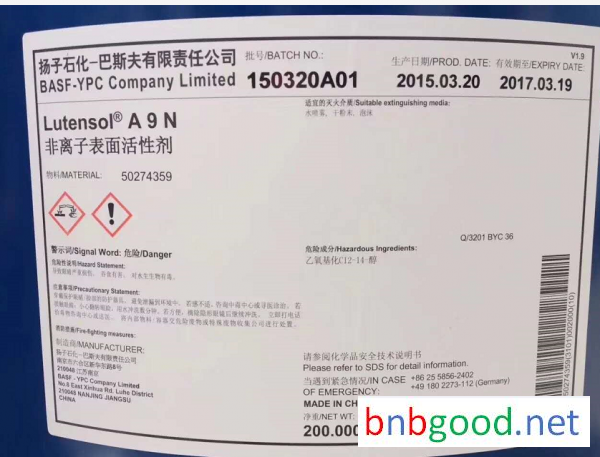
AEO-9 неионный поверхностно-активный состав
ATAMAN INDUSTRIAL LIMITED
-
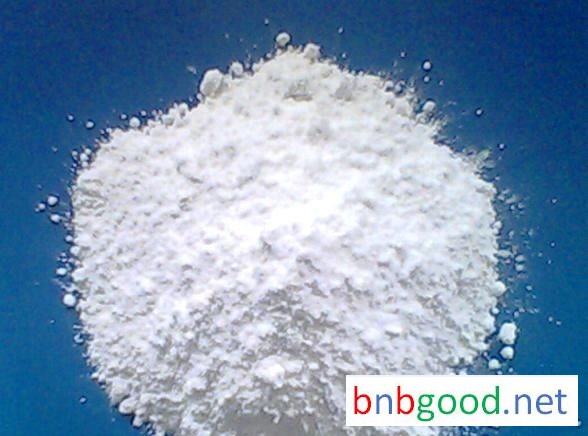
Масляный матовый порошок
$0.00
===
= = следующая информация переведена с компьютера, пожалуйста, свяжитесь с издателем= = неактивное поверхностно - активное вещество AEO - 9
Ян - БАСФ
Lutensol a9n NIS
температура помутнения 72 - 82 градуса Цельсия
PH значение 5 - 8
цвет менее 50
влажность меньше 0.3
 технический паспорт безопасности
См.
описание техники безопасности
(1.Информация о веществе / препарате и компании
неактивный поверхностно - активный агент A9N
& reg; A 9 N
рекомендуемое назначение и ограничение применения: сырье для химической промышленности
компания: БАСФ новый материал ооо | компания: БАСФ передовая химическая компания лтд |
Чрезвычайная ситуациясведения:
аварийная контактная информация:
центр экстренного вызова (Китай):
БАСФ - центр экстренной телефонной связи (Китай)
контактный телефон
контактный телефон
2.идентификация опасности
классификация чистых веществ и смесей: острая токсичность: Категория 4 (пероральное) серьезное повреждение / Раздражение глаз: Категория 1 острая опасность для водной среды: Категория 2 хроническая опасность для водной среды: Категория 3
Элементы маркировки и предупредительные Примечания:


 См.
См.
описание техники безопасности
(графический знак:
Предупреждение: опасность
описание опасности:
H318 приводит к серьезным повреждениям глаз.
H302 - это вредно.
H412 оказывает долгосрочное вредное воздействие на водные организмы.
H401 токсичен для водных организмов.
предупредительные примечания (предупреждение):
р280 защитное приспособление для защиты глаз / лиц.
P273 избегает утечки в окружающую среду.
P270, когда запрещается принимать пищу, воду или курить.
после операции P264 вода и мыло были полностью очищены.
Предупреждение (ответ):
P305 + P351 + P338 при контакте с глазом: будьте осторожны, чтобы вывернуть веки и промыть их водой в течение нескольких минут.если удобно, удалите контактные линзы
Продолжайте обмывать.
P310 немедленно вызывается в центр токсикологических консультаций или доставляется к врачу.
P 330 кашель в полости рта.
предупредительные примечания (удаление отходов):
р501 передача внутреннего материала / контейнера на свалку компании по сбору опасных или специальных отходов.
другие опасности, однако, не классифицируются по категориям: внимание уделяется положениям или примечаниям, касающимся хранения и эксплуатации, без известных особых рисков.
на основе нынешней классификации рекомендаций сесио.
трисведения о составе / компонентах
химическое свойство:материя
ацетиловый спирт C12 - 16
CAS 68551 2 - 12 -


 См.
См.
описание техники безопасности
(4.Меры первой помощи
Общая рекомендация: снять загрязненную одежду.
например, вдыхание:
Сохраняйте спокойствие больного, перенесите его на свежий воздух, обратитесь к врачу.Немедленно Вдыхайте кортикальные стероиды и аэрозоли.
контакт с кожей: полное промывание мылом и чистой водой.
участки, зараженные расплавленным материалом, должны быть немедленно помещены под текущую холодную воду.продукт застывания не следует отрывать с кожи.ожог расплавленного материала
больница лечит.Немедленно обратитесь к врачу.
контакт глаз:
Переверните веки, немедленно Очистите их проточной чистой водой на 15 минут и проконсультируйтесь с офтальмологом.
прием пищи:
Немедленно очистку полости рта, а затем пить 200 - 300 мл воды, клиника.
внимание врача:
Глава 2) и / или в главе 11.Дальнейшие важные симптомы и опасности пока не известны.
лечение: противоядие (очистка от грязи, уход за патологией организма), противоядие, не имеющее особого действия.
5.противопожарное мероприятие
пригодная огнегасящая среда: водяное распыление, сухой порошок, пена
особая опасность: вредный пар, окись углерода
образование дыма в случае пожара может привести к высвобождению указанных веществ / групп веществ.
специальное защитное устройство: автономный дыхательный аппарат.
Дополнительная информация:
степень опасности зависит от воспламеняющихся веществ и возгорания.загрязненная водонепроницаемая вода должна удаляться в соответствии с официальными правилами.
6.аварийные меры в случае аварийной утечки
индивидуальные превентивные меры
Надень личный защитный костюм.в разделе 8.


 См.
См.
описание техники безопасности
(предотвращение загрязнения окружающей среды:
сбор загрязненной воды / обезвоживание не допускается в водосборные канавы / поверхностные воды / подземные водные системы.
методы очистки или сбора:
небольшое количество: выберите подходящий инструмент для обработки.Количество: выберите подходящий инструмент для обработки.обращение с абсорбированным материалом осуществляется в соответствии с правилами.
7.оперативное захоронение и хранение
оперативное захоронение
для правильного использования данного продукта не требуется особых мер.
противопожарная защита и взрывозащита: необходимо принять профилактические меры против статического электричества.
хранение
изолировать от кислоты и щелочи.изолировать окислителя.
материалы, подходящие для использования в качестве тары: полиэтилен высокой плотности, полиэтилен малой плотности, стекло подробнее об условиях хранения: держать сосуд в герметичном, сухом и прохладном месте.
температура выше 70 градусов
8.контактное управление и личная защита
элемент требования к предельному уровню профессионального контакта
Никаких профессиональных контактов.
индивидуальное защитное сооружение
дыхательная защита:
при высвобождении пара / дыма необходимо обеспечивать защиту дыхания.фильтр среднего действия для твердых и жидких частиц (например, EN143 или 149, P2 или FP2)
тип фильтра (
защита руки: защитные перчатки.
материалы, пригодные для длительного и прямого контакта>480 минут:
нитрильный каучук (НБР) - - толщина покрытия 0,4 мм
Дополнение: спецификация основана на самоизмерении, документации и информации производителя перчаток или аналогичных продуктов.под воздействием многих условий
температура) реальная защита перчаток от проникновения может быть короче, чем время, установленное стандартными тестами.


 См.
См.
описание техники безопасности
(из - за большого разнообразия перчаток Руководство по их применению должно быть выполнено изготовителем.
защита глаз:
защитные очки (крепежные очки) (EN166) и маска для лица.
физическая защита: средства физической защиты должны выбираться в зависимости от вида деятельности и возможных участков воздействия, таких, как ограждение, защитные сапоги и химическая защитная одежда (согласно EN 14465).
остановить удар или предотвратить пыль в соответствии с ISO 13982)
Общие меры безопасности и гигиены
рекомендуется надеть герметичный комбинезон.на рабочем месте нельзя есть пищу, питьевую воду, курить.работа по улучшению гигиены и техники безопасности в промышленности.
9.физико - химический характер
форма: твердый цвет: светло - желтый
запах: полиспирт, мягкий порог обоняния: не проверен
ДП: около 6,7
температура плавления: около 30 градусов кипения:>250 градусов
температура вспышки: около 191 градусов (ASTM D93) скорость испарения:
продукт не является летучим твердым.
воспламеняемость (твердые / газообразные): нижний предел непроверенного взрыва:
для твердых веществ не требуется классификации и маркировки.предел взрыва:
для твердых веществ не требуется классификации и маркировки.температура горения:
не проверенный
термическое разложение: неопределённое самовозгорание: не самовоспламенение.
опасность взрыва: отсутствие взрывоопасного активационного действия: беспомощность.
давление пара:<0,1 мм (25 градусов)
плотность: 0.9841 г / см3
(37,8 град.
относительная плотность:
Информация отсутствует.
плотность упаковки: около 1 - 1.04 г / см3
продукт не проверен.
относительная плотность пара (воздух):
продукт не является летучим твердым.
растворимость в воде: растворимость
метод измерения влажности: продукт не проверен.
коэффициент распределения октанола / воды (log Pow):
Неприменимость
динамическая вязкость:
не подходит, этот продукт твердый.
кинематическая вязкость:
не подходит, этот продукт твердый.
Другая информация:
при необходимости в этой части будут указаны другие параметры физико - физического характера.
стабильность и реактивность
Случаи, которых необходимо избегать:
См. Раздел 7 технических инструкций по химической безопасности - операции по удалению и хранению.
термическое разложение: непроверенный
вещества, подлежащие избежанию:
кислоты, щелочи.галогены, активные химикаты
коррозионное свойство к металлу: нет коррозии к металлу.
опасные реакции:
Как указано в инструкции по хранению и эксплуатации, нет опасных реакций.
опасный продукт разложения.:
при хранении и эксплуатации в соответствии с указаниями / инструкциями нет опасных продуктов разложения.
Токсикологическая информация
острая токсичность
См.
(экспериментальные / расчетные данные:
полулетальная доза крыс (пероральная):>300 - 2000 мг / кг
библиография.
раздражительность
экспериментальные / расчетные данные:
агрессивность кожи / раздражительность кроликов: раздражительность
библиография.
серьезные повреждения глаз / раздражение кролика: необратимый ущерб
библиография.
другие данные о токсичности
продукт не проверен.Данное заявление о токсичности было сделано другими продуктами, имеющими аналогичные структуры и компоненты.
Экологическая информация
Экотоксичность
Токсичность для рыб:
полулетальная концентрация (96 h)>1 - 10 мг / л, порфира
водные беспозвоночные:
полуэффективная концентрация (48 h)>1 - 10 мг / л
активность микроорганизмов / активных ила:
В случае внедрения в систему биологической обработки соответствующих низких концентраций не предвидится отрицательного воздействия на активность разложения активных шламов.
хроническая токсичность для водных беспозвоночных:
не обнаруживая концентрации влияния,>0.1 - 1 мг / л, дафния
библиография.
подвижность
оценка конверсии химических веществ между различными экологическими средами:
материя не испаряется из воды в атмосферу.
Возможно, адсорбция в твердой фазе.
устойчивость и способность к разложению
удаление информации:
>= 90% висмут - активное вещество.(Часть Е руководящих принципов ОЭСР 301 с внесенными в них поправками)
аналогия: оценка основана на других продуктах аналогичного химического характера.
См.
(>Теоретически 60% CO2 образуется.(28 дней) (OECD 301B; ISO 9439; 92 / 69 / EEC, C.4 -C) подвержена биодеградации.
аналогия: оценка основана на других продуктах аналогичного химического характера.
Дополнительные пояснения (информация)
Дополнительные сведения об окружающей среде и пути:
очистка сточных вод на предприятиях по очистке сточных вод регулируется местными административными нормами.
Другие рекомендации по экотоксичности:
продукт не проверен.Настоящее заявление по экотоксичности представляется другими продуктами, имеющими аналогичные структуры и компоненты.
меры предосторожности
свалка или сжигание должны осуществляться в соответствии с местными нормативными актами.
зараженная упаковка:
незагрязненная упаковка может быть использована повторно.
если упаковка не может быть очищена, она должна удаляться таким же образом, как и содержимое.
транспортная информация
сухопутный транспорт
автомобильный транспорт
В соответствии с правилами перевозки опасные грузы не включаются.
железнодорожный транспорт
В соответствии с правилами перевозки опасные грузы не включаются.
речной транспорт
В соответствии с правилами перевозки опасные грузы не включаются.
морской транспорт
IMDG
морской транспорт
IMDG
В соответствии с правилами перевозки опасные грузы не включаются.
См.
(воздушный транспорт)
Международная ассоциация воздушного транспорта / Международная организация гражданской авиации
воздушный транспорт
Международная ассоциация воздушного транспорта / Международная организация гражданской авиации
В соответствии с правилами перевозки опасные грузы не включаются.
Информация о законодательстве
Правила ЕС (наклейка)
Постановление 1272 / 2008 / EC о классификации, маркировке и упаковке веществ и смесей
1999 / 45 / EC и поправки к Закону 1907 / 2006 / EC.:
знак опасности
Xn вредна.
предостережение об опасности
R22 питаться вредно.
R41 может нанести серьезный ущерб глазам.
предостережение безопасности
S39 носит защитные очки или защитные маски.
S26 в случае контакта с глазами необходимо немедленно очистить водой и обратиться за медицинской помощью.
S46 в случае поступления пищи немедленно пройти курс лечения и предъявить косметический контейнер или этикетку.
на основе нынешней классификации рекомендаций сесио.
Другие нормативные акты
если другая часть настоящего технического инструкции по безопасности не содержит информации о правилах, применимых к данному изделию, то описание будет приведено в этой части.
регистрация:
IECSC, CN была запущена / включена
Настоящее Техническое описание по безопасности подготовлено в соответствии с правилами классификации химических веществ и информирования об опасности.
данный продукт подпадает под действие положений о регулировании опасных химических веществ.(если опасные химические вещества определены в соответствии с правилами СГС)
данный продукт регулируется Законом кнр о контроле над лекарственными препаратами (если продукт применяется к лекарствам), положениями о контроле за кормовыми и кормовыми добавками.
(если продукция используется для кормления) и закон кнр о безопасности пищевых продуктов (если продукция применяется для питания).
См.
Другая информация
Информация о назначениях: продукция является промышленной и предназначена исключительно для промышленных целей, если не указано иное или не оговорено иное.Это включает ссылку на
рекомендуемое использование. Если предполагается использовать для любых других целей, это следует обсудить с производителем. Особенно когда использование продукта регулируется специальными стандартами и правилами, это тем более необходимо.
левая часть, отмеченная наклонной линией, указывает на изменения по сравнению с предыдущей версией.
Данные в этом паспорте безопасности основаны на наших текущих знаниях и опыте и описывают только требования безопасности продукта. Эти данные не описывают свойства продукта (технические характеристики продукта). Из этого паспорта безопасности не следует получать информацию о пригодности продукта для конкретного применения и его соответствии. Получатель данного продукта несет ответственность за соблюдение прав собственности и действующих законов и нормативных актов.
Похожие товары
Передаточный ремень
Z28-650 барабан

Поставка свинцовой руды

Масляный матовый порошок

Контактная информация
- Адрес: Санкт-Петербург, 3-я линия В.О., 24
- Телефон: +7 812 509 12 45 (Пн–Пт: 8:00–20:00)
- Эл. почта: sales@longwang.ru