Perforated Steel Tube

(0 reviews)


Quantity:
(99 available)

Total Price:
Share:
Sold by
Hengda Perforated Metal Factory
Xindajie, Dezhou Industrial Park, Shandong, China
(0 customer reviews)
===
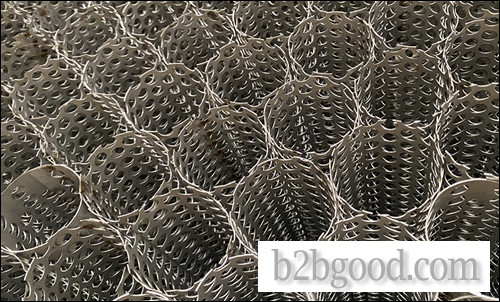
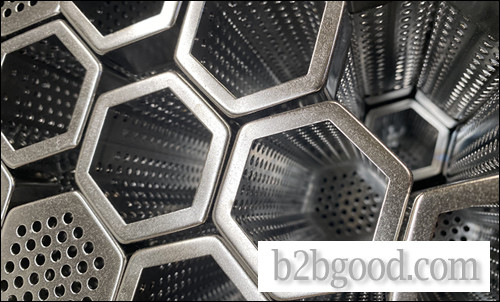
_____________________________________________________________________________________________________________________________________________________________________________________________Hydraulic filter perforating pipe

Material: Galvanized carbon steel
Outer diameter x Inner diameter x Thickness
20. 7x15. 7x2. 5 millimeters
31. 1x26. 1x2. 5 millimeters
33.8 x 28.8 x 2.5 millimeters
35. 030. 0x2. 5 millimeters
58. 056. 0x3. 0 millimeters
66. 7x60. 7x3. 0 millimeters


Bent perforated steel pipe
21mm tube
Wall thickness: 2mm
There are holes of 4mm and 6mm in the perforation.
Pipe length: 340mm
Material: Steel
Exposed to high temperatures and used in oil

100mm outer diameter perforated steel pipe
A exhaust pipe that can be used for shielding at a range of 1-3/4 inches and operates at 1000F.
The perforated tube is connected to a 4ID flexible exhaust hose.
The perforation allows air to be drawn into the flexible hose to cool the inner tube. This type of perforation is rigid and allows air to flow through.
Lengths range from 9 to 12 units.


Piercing tubes used for manufacturing high-performance exhaust systems for automobiles.
Outer diameter: 30 x Thickness: 1 mm x Length: 6 meters
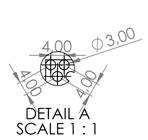
Percussion type: Hole size 3mm, triangular notch 4mm

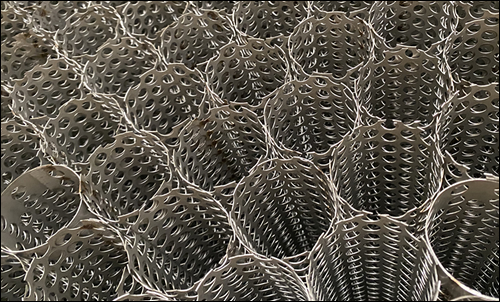
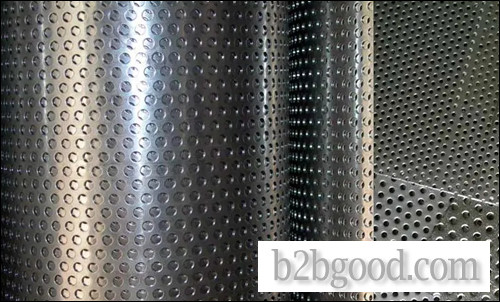
Carbon steel perforated pipe

Galvanized steel perforated tube for hydraulic filter

The carbon steel pipes that are penetrated are usually soaked in hot water to enhance their corrosion resistance.

Stainless steel pipes are resistant to corrosion and rust, easy to recycle, and ideal for use in automotive exhaust applications.

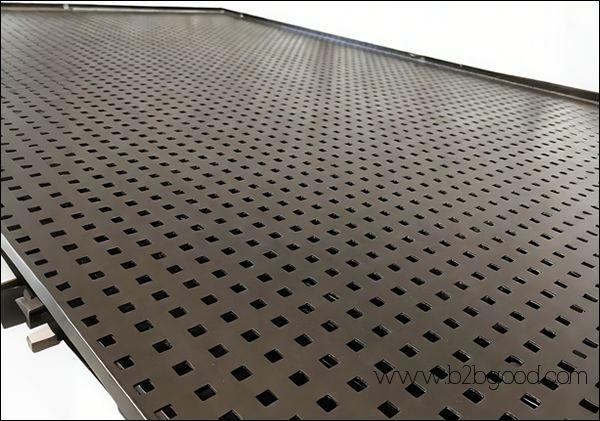
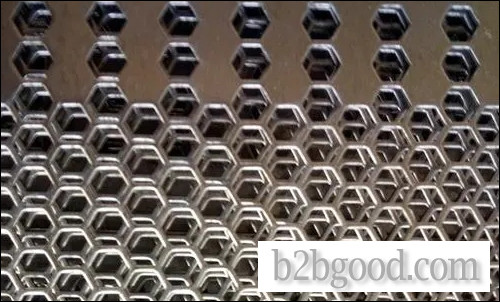
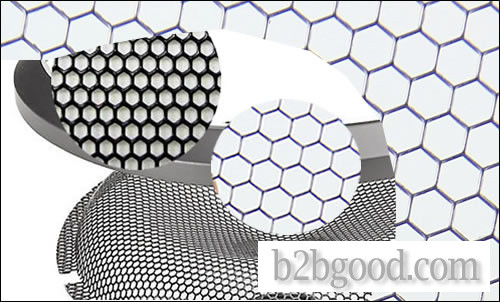
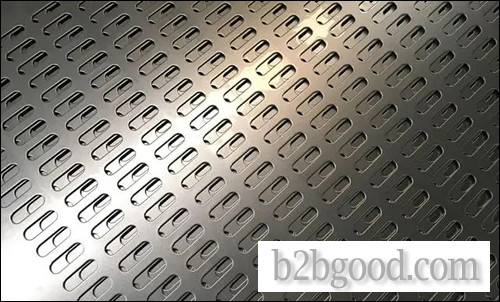
Perforated steel pipes are manufactured in round, square, hollow, straight, or interlaced designs.

Wearing steel pipe materials

The penetration pipe is a type of welded steel pipe, made of light steel or 409, 439, 304, 316 stainless steel penetration material.

Select the appropriate steel material based on the characteristics:
Stainless steel is the most corrosion-resistant material, and its alloys vary depending on the working environment.

Carbon steel is the most corrosion-resistant, and therefore the most common among the three types of perforable metals that are also the cheapest. The carbon steels listed below are referred to as hot rolled or cold rolled (for example, cold rolled commercial steel). They are rolled into the desired thicknesses while the steel is still hot or cold, and then used again. Each type of carbon steel is called hot rolled or cold rolled (for example, cold rolled commercial steel), and the different processes result in differences in cost, quality, and mechanical properties of the products. In short, hot rolled carbon steel is usually cheaper and is made in thicknesses listed in Table 7-16, while cold rolled carbon steel offers tighter tolerances and better surface finish. Although it can be produced in any thickness, it is most commonly found in the thickness range listed in Table 14-28.

Due to the susceptibility of carbon steel to corrosion, it is typically used in non-exposed applications or with coating protection. Coatings and powders are applied after perforation to fully protect the material. Zinc-based coating metals, such as those used for heating and other applications, are produced and supplied by mills, and may not fully protect the material's carbon core that is exposed during the perforation process.

Common Types of Penetrative Carbon Steel
Commercial steel (HR, CR, GALV) is a low-cost steel with good painting, forming, and welding qualities. It has moderate strength, but is affected by aging, leading to stress, cracking, and fracture. To reduce the impact of aging, it is recommended to use "drawing steel".

Steel (HR, CR)
Compared to commercial steel, the ventilation and performance consistency of the steel that can improve performance during manufacturing are higher. This type of steel is recommended when it is important to use strains that are stable during manufacturing or to ensure consistency in performance.

Forming Steel (GALV)
The strength and length of the steel are both lower than those of commercial steel. When pressure is applied to cracks that form or weaken commercial steel, it is recommended to use this type of pressure.


Please contact the publisher to purchase products. If you need product release, export tax rebates, or customs clearance services, please contact the platform service: admin@b2bgood.com
There have been no reviews for this product yet.

Product Queries (0)

Login or Registerto submit your questions to seller

Other Questions

No none asked to seller yet