Categories
See All >


Laboratory Renovation Physics Laboratory Decoration Laboratory Renovation Design Company
(0
reviews)
Sold by:
Inhouse product
Inhouse product
Price:
$0.00
实验室改造公司
Share:
Top Selling Products
-

LUB12 standard controll unit
$60.00





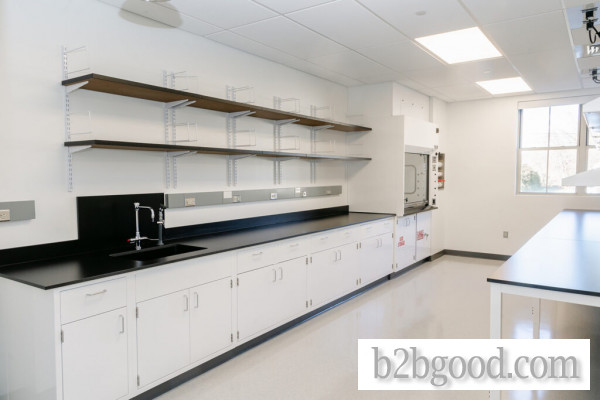
After the laboratory is put into use, due to the complex internal environment of the laboratory, the lifespan of instruments and experimental equipment will be shortened to a certain extent. To improve scientific research technology, it is necessary to renovate and redesign the laboratory. So, how can we transform the existing laboratory? And what design details need to be considered during the laboratory renovation process?
1. Laboratory Safety Design
Ventilation System: A well-designed ventilation system is an essential component of any laboratory, especially when dealing with chemicals and harmful gases. Laboratories should be equipped with efficient exhaust cabinets and ventilation ducts to ensure that harmful gases and volatile substances are promptly expelled from the laboratory. Utilizing local exhaust systems that capture contaminants directly at the source can further enhance the ventilation effectiveness. This is a crucial aspect of laboratory renovation.
1. Fire Protection System: The fire protection system in the laboratory must be comprehensive and effective. In addition to fire extinguishers, the laboratory should also be equipped with smoke detectors, emergency evacuation routes, and automatic sprinkler systems. Fireproof doors and fire curtains should also be installed in important areas to prevent the spread of fire. These measures should be considered during the design of the laboratory.
2. Emergency eyewash and shower stations: In chemical laboratories or areas where hazardous substances are handled, emergency eyewash and shower stations are essential. These devices should be located in prominent and easily accessible positions to ensure that laboratory personnel can use them quickly in case of an accident. When renovating the laboratory, the installation location of these devices requires proper design and arrangement.
3. Explosion-proof design: In laboratories that handle flammable and explosive materials, special attention should be paid to explosion-proof design. All lighting fixtures, electrical appliances, and switches should be of explosion-proof models, and it is necessary to ensure that the electrical equipment in the laboratory meets relevant explosion-proof standards.
II. Laboratory Design Layout
1. Functional zoning: Zoning the laboratory according to the nature of different experiments is an important principle in laboratory layout. For example, separating the chemical experiment area, the biological experiment area, and the physical experiment area to avoid cross-contamination and interference. Each functional area should have clear divisions and markings, allowing experimenters to quickly find the necessary equipment and materials. This is a particularly important aspect when renovating a laboratory.
2. Channel Design: The channels within the laboratory should be spacious and unobstructed, ensuring that personnel and equipment can move in and out easily. The channel design should take into account the need for emergency evacuation, to avoid congestion in case of an emergency.
3. Workbench height and layout: The design of the workbench should follow ergonomic principles to ensure that experimenters can maintain a comfortable posture during prolonged operations. The height of the workbench should be adjustable to meet different experimental needs. Additionally, the layout of the workbench should be rational, ensuring that experimental equipment and tools are arranged in an orderly manner for easy operation. These design details should be fully considered during the laboratory renovation.
III. Design of water supply and drainage systems
1. Pure water system: Many experiments have strict requirements for water quality. Therefore, installing a pure water and ultra-pure water system is very important. The pure water system should provide stable and reliable pure water to ensure the accuracy of experimental results. The ultra-pure water system is used for higher-demand experiments, such as biomedical research and high-precision analysis experiments. The design of the water supply system is an important aspect of laboratory renovation.
2. Wastewater Treatment: Laboratory wastewater often contains harmful substances and must be treated before being discharged. A well-designed wastewater treatment system is necessary to ensure that harmful substances in the wastewater are effectively removed, thereby preventing environmental pollution. The wastewater treatment system should include multiple steps such as neutralization, filtration, and disinfection. Wastewater treatment is an essential aspect of laboratory design that cannot be overlooked.
IV. Designing Power Systems
1. Stable power supply: Laboratory equipment generally requires a high level of electricity, so it is necessary to ensure the stability of the power supply. It is recommended to install a backup power source to handle sudden power outages and ensure that experiments do not中断. This is especially important in some precision experiments, where the reliability of the power system is key to the laboratory setup.
2. Anti-electric shock protection: To prevent electric shock accidents, laboratories should install electric leakage protection devices and regularly check the safety of the electrical system. All electrical equipment should be properly grounded, and wires should have good insulation protection. The safety of the electrical system is very important in laboratory design.
3. Power Socket Layout: Arrange the positions of power sockets according to the needs of the equipment, to avoid messy wires. The sockets should be evenly distributed and have a sufficient number to meet the usage requirements of experimental equipment. A reasonable layout of sockets is a basic requirement for laboratory renovation.
5. Selection of Decoration Materials
1. Corrosion-resistant materials: Laboratory benches, floors, walls, etc., should be made of corrosion-resistant materials, especially in chemical laboratories. The corrosion resistance of materials not only extends the lifespan of the laboratory but also reduces safety risks caused by material corrosion. The selection of materials is crucial in laboratory decoration.
2. Anti-slip flooring: The laboratory floor should be made of anti-slip materials to reduce the risk of accidental slips. Anti-slip flooring not only improves safety but also makes cleaning and maintenance easier. The design of the floor is part of the laboratory renovation.
During the laboratory renovation process, by following detailed design principles and precautions, it is possible to ensure that the environment after the renovation is safer, more efficient, and more suitable, providing strong support for scientific research work.
http://www.zyllt.cn
Please contact the publisher to purchase products. If you need product release, export tax rebates, or customs clearance services, please contact the platform service: admin@b2bgood.com
There have been no reviews for this product yet.
Related products

$2,200.00
SX2智能马弗炉热处理灰分退火淬火炉高温箱式电阻炉实验电炉工业
$60.00
LUB12 standard controll unit

$0.00
PH- A6 防水笔式高精度 pH / 温度计


Out of RU url: howmuch.vip @copyright
Contact Info
- Address: Dezhou city,Shandong,China
- Phone: +86-15166945837
- Email: dzheibei@sohu.com