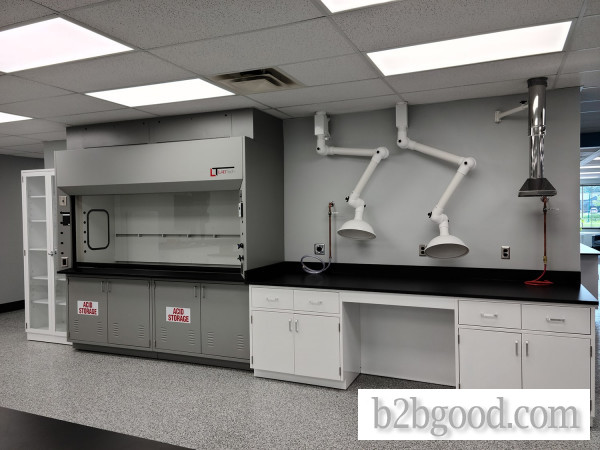
Design and Construction Plan for Environmental Monitoring Laboratory
Inhouse product
-

LUB12 standard controll unit
$60.00





One,Site Selection for Environmental Monitoring Laboratory
Site Selection Requirements:
1. Avoid sources of pollution:The primary principle for selecting a location for a environmental monitoring laboratory is to stay away from sources of pollution. Sources of pollution include factories, waste disposal sites, and major traffic arteries. These places produce a large amount of pollutants, such as exhaust gases, wastewater, and noise, which may interfere with the accuracy of experimental results. Therefore, the environmental monitoring laboratory should be located far away from these sources of pollution to ensure the authenticity and reliability of the experimental data.
2. Convenient transportation:The location of the laboratory also takes into account the convenience of transportation. Convenient transportation not only improves the efficiency of staff commuting but also facilitates the transport of samples and the movement of equipment in and out. A location with convenient transportation can effectively reduce transportation time and minimize the risk of samples being contaminated during transport.
3. Stable water and electricity supply:The operation of an environmental monitoring laboratory cannot be separated from a stable supply of water and electricity. Many of the instruments and equipment in the laboratory have high requirements for electrical power supply. Unstable electricity can lead to damage to the equipment or loss of data. In addition, the supply of water resources must also be sufficient to meet the needs of daily cleaning and experimental water requirements in the laboratory. Therefore, when selecting a location for the construction of an environmental monitoring laboratory, it is necessary to ensure that there is a stable supply of water and electricity in the local area.
II. EnvironmentLayout Design of Environmental Monitoring Laboratories
Layout Design:
1. Layout:The layout of an environmental monitoring laboratory should take into account the classification of different types of laboratories, such as conventional laboratories, inorganic laboratories, organic laboratories, and biological laboratories. Each type of laboratory requires independent space to avoid cross-contamination. In addition, it is necessary to reasonably divide the areas between the laboratory and the office to ensure that staff have sufficient office space and rest areas.
2. Functional Areas:Within the laboratory, clear functional zones should be established, including a sample reception area, sample processing area, analysis and testing area, data processing area, and office area.
3. Logistics Channel:A reasonable design of logistics channels is crucial for ensuring smooth flow of samples within the environmental monitoring laboratory and preventing cross-contamination. The flow path of samples within the laboratory should be as simple and direct as possible, avoiding frequent intermingling between different functional areas. Additionally, independent sample inlet and outlet channels should be established to ensure that samples are not contaminated when entering or leaving the laboratory.
4. Ventilation and exhaust system:In laboratories, a large amount of harmful gases and chemical waste are produced. Therefore, it is crucial to design a reasonable ventilation and exhaust system for environmental monitoring laboratories. The ventilation system must ensure smooth air circulation in the laboratory, preventing the accumulation of harmful gases. At the same time, the exhaust system must be able to effectively expel harmful gases, maintain the quality of laboratory air, and ensure the health and safety of the staff.
III. Equipment Configuration for Environmental Monitoring Laboratories
1. High Performance Liquid Chromatograph (HPLC):Used for the separation, identification, and quantitative analysis of components in mixtures. HPLC is widely used in environmental monitoring to detect organic pollutants.
2. Gas Chromatograph (GC):Used for the analysis of volatile and semi-volatile compounds. GC is commonly used to analyze organic pollutants in air, water, and soil.
3. Atomic Absorption Spectrophotometer (AAS):Used to determine the content of metal elements. AAS is mainly used in environmental monitoring to detect heavy metals in water and soil.
4. Ultraviolet-Visible Spectrophotometer (UV-VIS):Used for the quantitative analysis of chemical substances in solutions. UV-VIS is widely used to detect various organic and inorganic pollutants in water quality.
Environmental Monitoring Laboratory Auxiliary Equipment:
1. Balance:Used for precise weighing of samples and reagents.
2. Oven:Used for the drying and heating treatment of samples.
3. Refrigerator:Used to store samples and reagents that require cryogenic preservation.
4. Microscope:Used to observe the microscopic structure of samples.
Environmental Monitoring Laboratory Environmental Control Equipment:
1. Temperature and Humidity Controller:To control the temperature and humidity within the laboratory, ensuring the stability of the experimental environment.
2. Air Conditioner:Used to regulate the temperature of the laboratory, providing a comfortable working environment.
3. Dehumidifier: Used to control the humidity in the laboratory to prevent samples from getting damp.
Environmental Monitoring Laboratory Safety Equipment:
1. Eye wash station:Chemicals used to clean the eyes in emergency situations.
2. First Aid Kit:Equipped with basic first-aid supplies, in case of emergencies.
3. Protective Clothing:Provide the experimental personnel with measures to ensure their safety from chemical substances during the operation.
4. Firefighting Equipment:Including fire extinguishers, fire hydrants, etc., to ensure that fire sources can be extinguished promptly in the event of a fire.
IV. Construction of Environmental Monitoring Laboratories
During the construction process of the environmental monitoring laboratory, it is necessary to strictly follow the design drawings of the environmental monitoring laboratory. Ensure that every step meets the design requirements. The specific steps include:
1. Basic Construction:Including foundation treatment, main structure construction, etc. It is necessary to ensure that the structure of the laboratory is stable, capable of bearing the weight of the equipment and the load from daily use.
2. Hydropower Installation:Including the installation of power systems and water supply and drainage systems. It is necessary to ensure that the power system can meet the power requirements of all equipment, and the water supply and drainage system can operate properly, avoiding water leakage and water cut-off situations.
3. Ventilation System Installation:Ensure that the pipelines of the ventilation system are laid properly to effectively expel harmful gases generated during the experiment.
4. Special Room Construction:Special attention should be paid to the construction of areas such as cold storage and sterile rooms, to ensure that they have the necessary functions and conditions.
5. Equipment Installation:Including the installation of basic equipment, auxiliary equipment, environmental control equipment, and safety equipment. It is necessary to ensure that the equipment is installed in a reasonable location, with stable connections, and can operate normally.
5. Environmental Monitoring Laboratory Acceptance
The acceptance phase is an important step in ensuring the quality of environmental monitoring laboratory construction, which includes the following aspects:
1. Structural Acceptance:Check whether the building structure meets the design requirements of the environmental monitoring laboratory and whether there are any safety hazards.
2. Equipment Acceptance:Check whether the instruments and equipment are properly installed, can operate normally, and meet the expected technical specifications.
3. Completion Acceptance:Verify whether each functional area is functioning properly, whether the ventilation and exhaust systems are effective, and whether the water and electricity systems are operating normally.
4. Safety Acceptance:Check whether the safety facilities are complete and effective, and whether the emergency plans are in place. Ensure that the laboratory has the ability to handle emergencies.
5. Environmental Acceptance:Ensure that the internal environment of the laboratory meets the standards, avoid contamination, and ensure the accuracy and reliability of experimental data.
The design and construction of environmental monitoring laboratories is not only a challenge in science and technology, but also a responsibility that serves the cause of environmental protection. Only by continuously optimizing the design and improving management levels can we build more comprehensive and competitive environmental monitoring laboratories, thereby making greater contributions to the protection of our planet.
Zhongyi Lian Laboratory is committed to providing customers with various laboratory design services, laboratory renovation services, laboratory construction services, and customized laboratory furniture design services. No matter which service you choose, Zhongyi Lian Laboratory will provide you with comprehensive services to meet your laboratory needs.
http://www.zyllt.cn
Please contact the publisher to purchase products. If you need product release, export tax rebates, or customs clearance services, please contact the platform service: admin@b2bgood.com
Related products


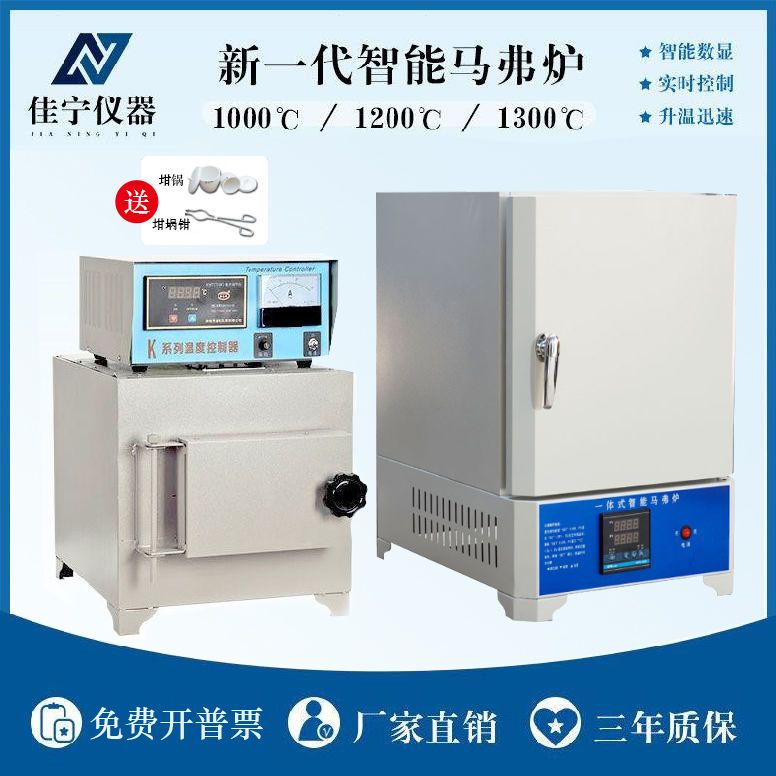
SX2智能马弗炉热处理灰分退火淬火炉高温箱式电阻炉实验电炉工业
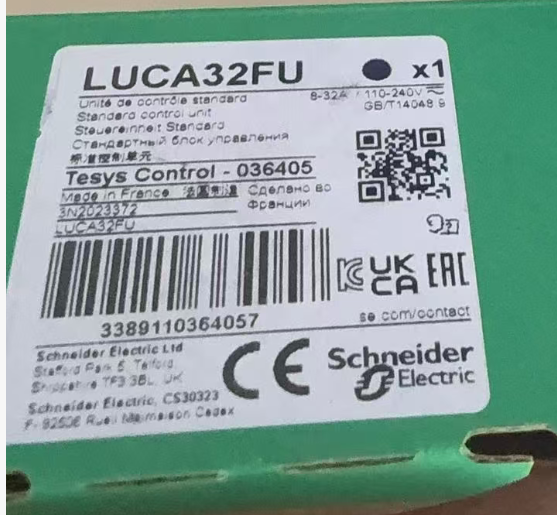
LUB12 standard controll unit
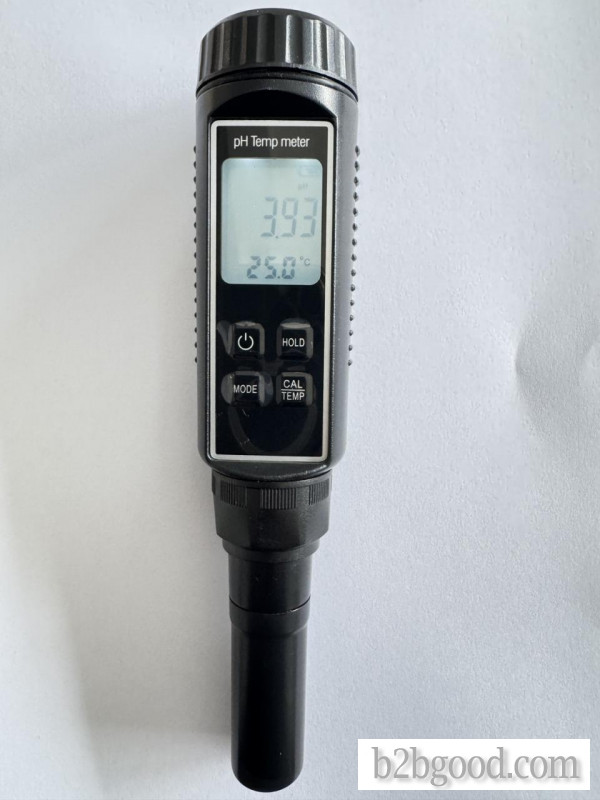
PH- A6 防水笔式高精度 pH / 温度计

Contact Info
- Address: Dezhou city,Shandong,China
- Phone: +86-15166945837
- Email: dzheibei@sohu.com