生物质燃料颗粒机

(0 reviews)

Sold by:
王先生

Price:
$0.00
ALEXDA

Quantity:
(99 available)

Total Price:
Share:

Product Introduction:


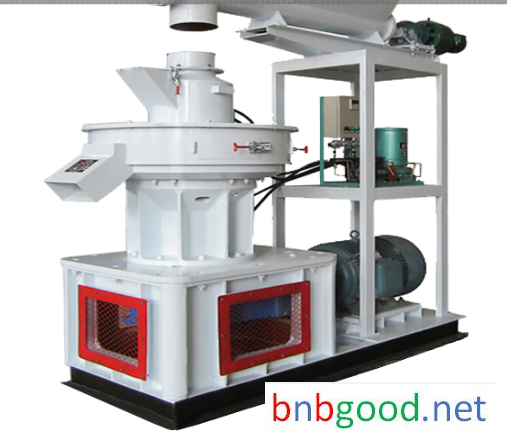
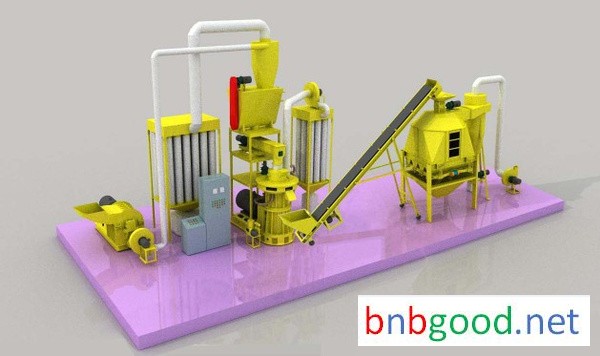
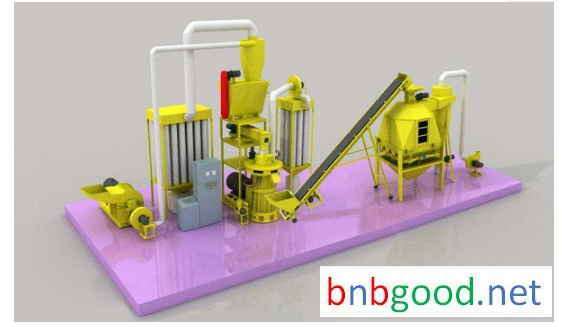
The biomass pellet machine absorbs and utilizes all the essential components. The core part is the "two-layer mold," which features a unique structural assembly. It is worth mentioning that the "pressing wheel" is made from high-alloy wear-resistant materials, giving the pellet machine a distinctive design style. The structure is precise, and it features energy reduction, improved efficiency, and a long service life. This pellet machine aligns its technology with advanced techniques. It is particularly useful for materials that are difficult to compress, bond, or form, such as rice husks, peanut shells, sunflower seed shells, and other fruit shells; tree branches, trunks, and bark, which are waste materials from wood processing; as well as rubber, ash residue, various chemical raw materials, and straw from agricultural products. It is widely used in wood processing facilities, fertilizer plants, dye factories, feed mills, etc. It is a suitable and cost-effective compression and densification equipment with good results.

Main performance differences compared to similar products:

A. Six major characteristics:
1. Vertical feeding, direct placement.
2. The mold remains stationary while the pressing wheel rotates, causing the material to be centrifuged and evenly distributed around the edges.
3. The mold has a two-layer structure, usable for both upper and lower purposes, reducing costs and increasing efficiency; it can also be used in dual mode, achieving high production and energy conservation.
4. Ring-shaped mold, vertical structure, conducive to heat dissipation and cooling of the granulation chamber.
5. An independent discharge device ensures the particle formation rate.
6. Independent lubrication system, capable of automatic lubrication without shutting down the machine.
B, Three Major Differences:
1. The mold is oriented upwards, with vertical feeding, ensuring direct placement and facilitating heat dissipation: Generally, the feed port of ring mold granulators is located on the side, making it difficult for lighter materials to enter the granulation chamber. Special devices are needed to force the material into the chamber, but this still leads to uneven feeding. The most significant issue is that such a feeding design hinders the heat dissipation and cooling of the granulation chamber, thereby limiting the lifespan of the transmission system (gears, bearings). Flat mold granulators have two structures; although they can accommodate vertical feeding, they still have many unresolved drawbacks.
(1) When the mold plate rotates, the flat molding machine with a wiping pressure wheel structure tends to arch the material, leading to uneven feeding and affecting production output;
(2) The mold plate remains stationary while the pressing wheel rotates. Although such a flat molding machine does not create an arch, it generates centrifugal force that throws the material entering the molding chamber to the sides. As a result, the material is pressed towards the center of the flat mold, which has holes distributed evenly. This causes material accumulation and uneven thickness.
2. The mold remains stationary while the pressing wheel rotates, causing the material to be centrifuged and evenly distributed around the perimeter. Thanks to the rebound effect of the two-layer high-wall mold, the fed raw material is naturally and uniformly distributed on the inner surface of the ring mold. In contrast, conventional ring mold granulators have a pressing wheel that remains stationary while the mold rotates, resulting in no centrifugal force and uneven material distribution. Although flat mold granulators have a rotating pressing wheel that generates centrifugal force, the direction of the mold holes does not align with the direction of the centrifugal force.
3. Two-layer mold, versatile functions, high efficiency: The mold consists of two parts, upper and lower. Two different specifications of hole diameters can be selected to produce two different types of granular products. When pressing materials with good adhesion, the use of high-pressure rollers and a two-layer mold can achieve four times the output. This is something that any flat mold or ring mold cannot accomplish.

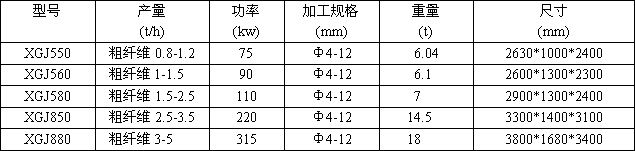
Particle mill technical parameters:


There have been no reviews for this product yet.

Product Queries (0)

Login or Registerto submit your questions to seller

Other Questions

No none asked to seller yet